Bathroom Remodeling Overview
Remodeling is a fantastic way to enhance both the functionality and aesthetics of your home. Whether you're looking to create a relaxing retreat with modern fixtures, or simply update an outdated design, a well-planned renovation can make all the difference. By selecting quality materials and incorporating smart storage solutions, you can maximize space while adding a personal touch. From elegant tiles to stylish vanities, every detail contributes to a welcoming atmosphere that suits your lifestyle. With the right team by your side, transforming your bathroom into a beautiful and practical oasis is within reach.
Bathroom Remodeling Services in Manheim, PA by Fremer Construction involve the reconstruction and reconfiguration of residential bathroom spaces to improve layout efficiency, update worn structural elements, and integrate modern building materials and systems. Each project begins with an evaluation of the existing bathroom structure, including wall conditions, plumbing routes, ventilation access, and flooring stability.
Bathroom remodeling typically requires coordination between multiple construction disciplines because even small bathrooms contain interconnected systems such as water supply lines, drainage components, electrical wiring, and moisture-sensitive wall assemblies. The remodeling process focuses on modifying these systems in a controlled sequence to ensure that the finished space is structurally sound and properly sealed against long-term moisture exposure.
Work is planned according to the existing footprint of the bathroom unless structural modifications are part of the approved scope of work.
Bathroom Layout Adjustments and Structural Planning
Bathroom remodeling often begins with layout planning, where the existing arrangement of fixtures and circulation space is reviewed and adjusted based on functional requirements and building constraints.
Fixture Positioning and Spatial Flow
Toilets, sinks, and shower or tub units are repositioned when necessary to improve spacing and accessibility within the room. Adjustments are made in relation to plumbing access points and drain line locations to minimize unnecessary rerouting of existing systems.
Wall Configuration and Structural Modifications
Where applicable, partial wall adjustments are incorporated to improve usable space or accommodate new fixture layouts. Structural components are evaluated before any modifications to ensure load-bearing elements remain intact and properly supported throughout construction.
Ventilation and Air Movement Considerations
Bathroom ventilation paths are reviewed to ensure proper airflow management, particularly in enclosed or window-limited spaces. Exhaust systems are positioned or upgraded to help manage moisture levels and reduce condensation buildup on surfaces.
Plumbing System Updates and Water Line Work
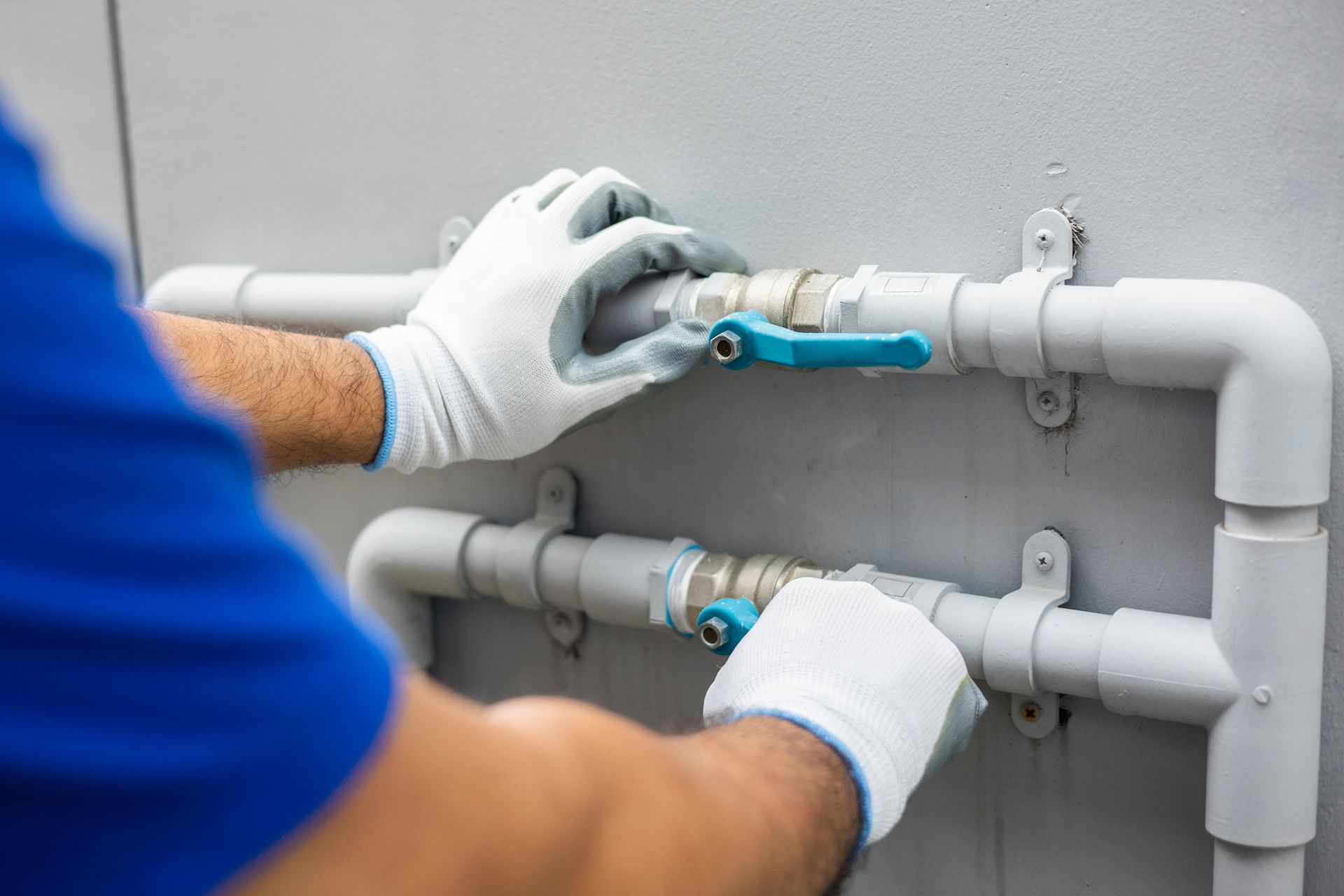
Plumbing modifications form a core part of most bathroom remodeling projects, especially in older homes where original piping systems may no longer meet modern performance standards.
Water Supply Line Adjustments
Water supply lines are rerouted or extended to accommodate updated fixture placements. These adjustments are completed with attention to pressure balance and secure connection points to ensure stable water delivery throughout the system.
Drainage System Reconfiguration
Drain lines are modified to align with new fixture locations and ensure proper slope and flow direction. Drainage work is carefully coordinated to prevent backflow issues and maintain consistent wastewater removal.
Valve and Connection Installation
Shut-off valves, connectors, and transition fittings are installed or replaced as part of the system update process. These components are positioned for accessibility and long-term reliability within enclosed wall or cabinet spaces.
Shower, Tub, and Wet Area Construction
Wet area construction is a central component of bathroom remodeling due to the constant exposure of these zones to water and humidity.
Shower Base and Enclosure Installation
Shower bases are installed with precise leveling to ensure proper drainage toward the designated outlet. Enclosure framing is aligned to support glass panels, tiled walls, or prefabricated surround systems depending on project specifications.
Bathtub Placement and Integration
Bathtub units are installed according to floor load capacity and plumbing access points. Surrounding framing and wall integration are adjusted to create a secure and sealed connection between the tub and adjacent surfaces.
Waterproofing Layer Application
Moisture barriers and waterproofing membranes are installed behind wall surfaces in wet zones. These layers are applied to reduce the risk of water penetration into structural framing and subfloor materials.
Tile Work, Flooring, and Wall Surface Finishing
Surface finishing in bathroom remodeling focuses on durability, moisture resistance, and proper alignment of all visible materials within the space.
Floor Preparation and Tile Installation
Subfloor surfaces are prepared to ensure stability before tile installation. Tile layouts are measured and aligned to accommodate drain placement, wall edges, and fixture bases while maintaining consistent spacing.
Wall Surface Treatment and Tile Application
Wall surfaces in shower areas and wet zones are prepared with backer boards or moisture-resistant materials before tile installation. Tile placement is executed to maintain uniform alignment and proper sealing between joints.
Grout Application and Surface Sealing
Grouting materials are applied between tile joints to secure placement and reduce moisture infiltration. Sealing treatments are added where necessary to enhance surface protection and long-term durability.
Fixture Installation and Final Component Integration
Once structural, plumbing, and surface work is complete, bathroom remodeling moves into fixture installation and final integration of functional components.
Sink and Vanity Installation
Vanities are positioned according to plumbing access points and secured to wall or floor structures. Sink units are connected to supply and drainage lines with careful attention to alignment and sealing.
Toilet Installation and Connection
Toilet units are installed with proper sealing at the base connection and aligned with existing or modified drain outlets. Water supply connections are tested for secure operation and leak prevention.
Lighting and Electrical Fixture Placement
Electrical components such as lighting fixtures, exhaust fans, and outlet placements are installed according to bathroom layout requirements. Wiring adjustments are made where necessary to support updated fixture locations.
Construction Sequence and Project Execution
Bathroom Remodeling Services in Manheim, PA by Fremer Construction follow a structured construction sequence that organizes work into defined stages, ensuring that each system is completed before the next phase begins.
The process typically begins with controlled removal of existing materials, followed by structural adjustments, plumbing modifications, and waterproofing installation. Once foundational systems are completed, surface finishing work such as tile installation and wall treatment is carried out. The final phase includes fixture installation, system testing, and alignment checks to ensure all components function as intended within the completed bathroom space.
Each stage of construction is completed in coordination with the previous phase to maintain proper alignment between structural elements, plumbing systems, and finished surfaces within the remodeled bathroom environment.